

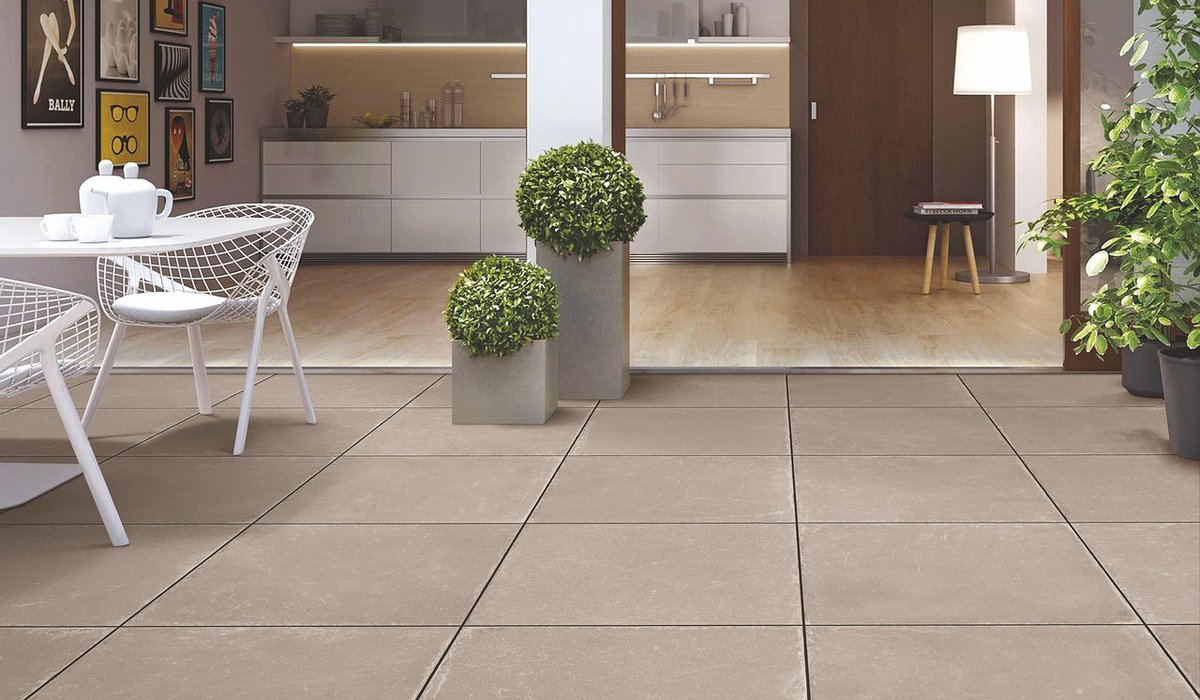
Why the Join Between Path and Planting Matters
There is a moment in every garden where the hard work of paving meets the softness of planting, and it is almost always the part that lets a scheme down. A path of riven sandstone or smooth porcelain can look immaculate on its own, but without a considered edge it can feel stark, as though it has been dropped onto the border rather than grown into it. Edging a path with plants is one of the gentlest ways to solve that. It softens straight lines, hides the inevitable small gaps between slabs, and gives the whole garden a sense of having settled in rather than being freshly installed.
You do not need a large budget or a landscaping team. A few well-chosen low growers, a shallow gravel margin and a neat strip of timber will do most of the work. The trick is to choose plants and materials that suit the amount of foot traffic your path receives, and to keep the edge narrow enough that it never becomes a trip hazard or a maintenance headache.
Low-Growing Plants That Knit a Path Edge Together
The most forgiving plants for a path edge are those that spread slowly, tolerate being brushed past, and stay low enough to keep sightlines clear. Aim for a carpet no more than 15–20cm deep, sitting just over the paving so the two materials blend rather than butt up against each other.
- Thyme — tough, fragrant and happy in full sun. It spills politely over stone and releases its scent when walked on, though it dislikes sitting in wet soil over winter.
- Alchemilla mollis — a classic cottage-garden choice. Its soft green foliage catches dew beautifully, and it will seed gently into gravel without becoming a thug.
- Erigeron karvinskianus — the Mexican fleabane. It loves a crack between paving and a sunny wall, flowering for months on end. Cut it back hard in early spring to stop it smothering smaller neighbours.
- Campanula portenschlagiana — a low, mat-forming bellflower, perfect for softening the base of a step or a retaining wall.
- Sagina subulata — Irish moss. Best in a cool, slightly shaded spot where the soil stays reliably moist.
- Liriope muscari — for shadier paths, its strappy evergreen leaves and late-summer flower spikes give structure when little else looks its best.
Plant in autumn or early spring so roots establish before the heat of summer. Space them roughly 20–30cm apart, water them in well and leave them to close the gap on their own.
Gravel Margins: The Simplest Buffer of All
If you want a clean, low-maintenance edge, a shallow gravel margin is hard to beat. Run a strip of gravel 10–15cm wide along the base of the paving, sitting slightly below the surface so it does not spill onto the slabs. This acts as a buffer between the hard surface and the border, slows weed growth and makes it far easier to run a hoe or a stiff brush along the edge.
Use a 10–20mm gravel in a colour that complements the paving rather than competing with it. A warm buff or grey flint works with most British stone, while a darker slate looks sharp against pale porcelain. Lay it over a weed-suppressing membrane to stop the gravel sinking into the soil, and top it up every couple of years as it settles. Plants such as thyme, lavender and sedum can be set directly into the margin for a relaxed, Mediterranean feel.
Timber and Metal Edging as a Plant-Friendly Frame
Sometimes the cleanest answer is a physical edge with plants behind it. A strip of pressure-treated timber, set just proud of the soil, holds a border back from the paving and gives low growers a defined line to spill over. It is cheap, quick to install and easy to replace when it eventually rots.
For a longer-lasting option, consider a slim steel or aluminium edge, which sits almost flush with the surface and can be curved to follow a winding path. These are particularly useful where a lawn meets paving, as they stop grass creeping into the joints. Whatever you choose, leave the top of the edging a centimetre or two above soil level so mulch and soil do not wash over onto the path in heavy rain.
Keeping the Edge Tidy Through the Year
An edged path stays neat because of small, regular jobs rather than one big tidy-up.
- Trim the front of the border once or twice a season with shears, following the line of the paving to keep it crisp.
- Refresh gravel and top up bare patches in spring, before weeds get a foothold.
- Lift and divide congested plants every two or three years so the edge does not become a solid mat.
- Sweep the paving after cutting back, as soil and leaf litter quickly stain porous stone.
In winter, resist the urge to cut everything back hard. Evergreens such as liriope and hebe keep the path looking alive when the borders are bare, and their foliage protects the crown of the plant from frost.
Choosing the Right Approach for Your Path
There is no single correct answer, and most paths benefit from a combination. A gravel margin with thyme spilling over it suits a sunny, informal garden. Timber edging and alchemilla work well in a cottage setting. Slim metal edging with liriope gives a contemporary scheme a clean, architectural line.
Match the detail to how the path is used. A busy route from the back door to the shed needs a tough, low edge that can take being walked on. A quiet path to a seating area can afford looser, more romantic planting. Get that balance right, and the boundary between paving and planting will stop being a line you notice and start being the thing that makes the whole garden feel finished.


Coding is used in almost all aspects of life and work now, be it directly or indirectly. It’s not just for companies in the tech sector. “An increasing number of businesses rely on computer code,
Coding is used in almost all aspects of life and work now, be it directly or indirectly. It’s not just for companies in the tech sector. “An increasing number of businesses rely on computer code,
Coding is used in almost all aspects of life and work now, be it directly or indirectly. It’s not just for companies in the tech sector. “An increasing number of businesses rely on computer code,